
다음이미지로 이동

다음이미지로 이동

Study abroad with NAS Education

#Language Courses #Early Overseas Education #Regular Courses #internship#Working Holiday



NAS OVERSEAS EDUCATION

This is where you can pursue your dreams.

Recommended schools by program

These are the Recommended schools by program.
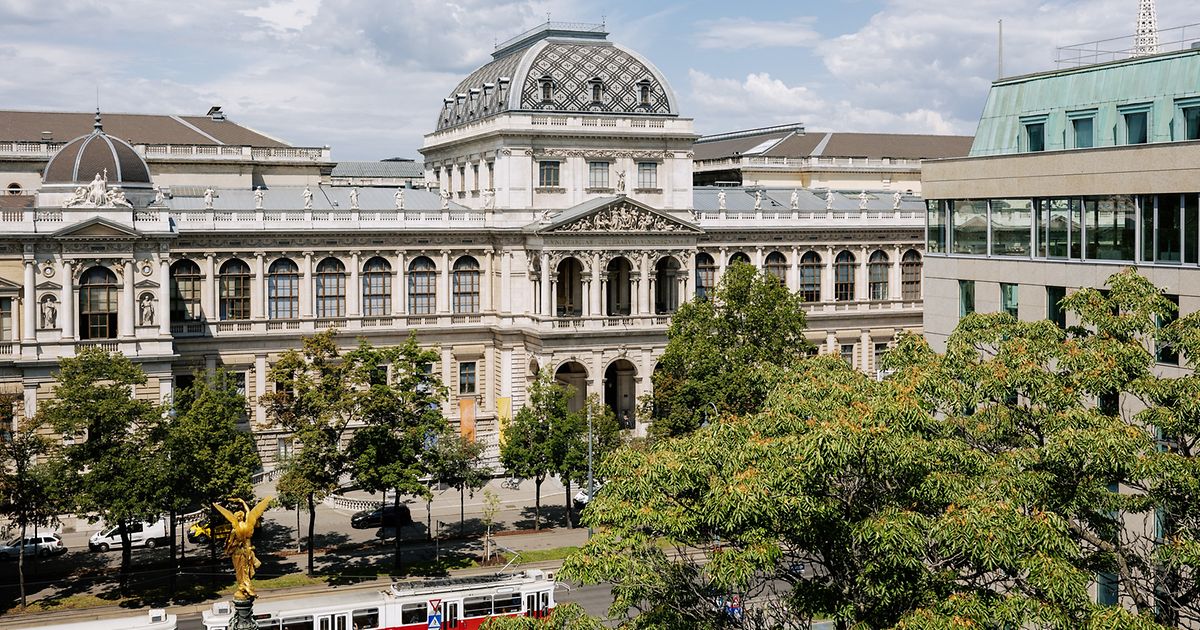
Language Center of the University of Vienna

Historyof the Language Center of the University of ViennaThe Language Center of the University of Vienna looks back on hundred years of tradition and expertise in language instruction. Its offer includes courses of German and approximately 40 European and non-European languages (e.g. Arabic, Japanese and Hindi), preparation courses for standard language examinations, as well as language competency tests.The two entities responsible for foreign and for German language courses have been functioning since 1 January 2004 under the aegis of the Innovation Center of the University of Vienna, Ltd., a subsidiary of the Vienna University. In addition to the Language Center, the latter also includes the Confucius Institute, which specializes in Chinese language courses, the Choir and the Orchestra of the University of Vienna, the Summer School (Sommerhochschule) of the University of Vienna and the University of Vienna’s Children Office. The departments for Foreign Language Courses and for German Courses were merged on 1 January 2014 to create the Language Center.History of the German CoursesThe Vienna International University Courses [Wiener Internationale Hochschulkurse – WIHK, later WIHOK] were inaugurated in 1922 as a series of scientific lectures. German language courses, primarily intended for English speaking students of the University of Vienna, were launched soon after and, before long, became popular with people from all over the world. Arduous circumstances during WW II and in the post-war period (1942–1952) required the suspension of courses. Since their resumption in 1952, the German Courses – which take place both during the academic year and during the summer months – have been attended by thousands of learners.Many participants attend the German Courses in preparation for programs of study at the University of Vienna, or take part in a summer course and decide to spend more time studying in Vienna. Currently, the German Courses at the Language Center number approximately 9,000 students from more than 130 countries every year.History of the Foreign Language CoursesA keen promoter of lifelong learning, then Vice Rector for Teaching and International Affairs Arthur Mettinger founded the Language Center of the University of Vienna in August 2001 specifically for foreign language teaching. Its purpose was – and still is – to offer students, university employees and other interested individuals top level language instruction. The University of Vienna thus opened its doors in the very heart of Vienna, on the university campus, to anyone wishing to learn a language or enhance previously acquired language skills.The initial offer included English, French and Spanish. Nowadays, more than 9,000 people attend courses in approximately 30 languages every year. The Foreign Language Courses were awarded the European Seal for Innovative Language Projects (ESIS) in 2004.

Language Center of the University of Vienna

Historyof the Language Center of the University of ViennaThe Language Center of the University of Vienna looks back on hundred years of tradition and expertise in language instruction. Its offer includes courses of German and approximately 40 European and non-European languages (e.g. Arabic, Japanese and Hindi), preparation courses for standard language examinations, as well as language competency tests.The two entities responsible for foreign and for German language courses have been functioning since 1 January 2004 under the aegis of the Innovation Center of the University of Vienna, Ltd., a subsidiary of the Vienna University. In addition to the Language Center, the latter also includes the Confucius Institute, which specializes in Chinese language courses, the Choir and the Orchestra of the University of Vienna, the Summer School (Sommerhochschule) of the University of Vienna and the University of Vienna’s Children Office. The departments for Foreign Language Courses and for German Courses were merged on 1 January 2014 to create the Language Center.History of the German CoursesThe Vienna International University Courses [Wiener Internationale Hochschulkurse – WIHK, later WIHOK] were inaugurated in 1922 as a series of scientific lectures. German language courses, primarily intended for English speaking students of the University of Vienna, were launched soon after and, before long, became popular with people from all over the world. Arduous circumstances during WW II and in the post-war period (1942–1952) required the suspension of courses. Since their resumption in 1952, the German Courses – which take place both during the academic year and during the summer months – have been attended by thousands of learners.Many participants attend the German Courses in preparation for programs of study at the University of Vienna, or take part in a summer course and decide to spend more time studying in Vienna. Currently, the German Courses at the Language Center number approximately 9,000 students from more than 130 countries every year.History of the Foreign Language CoursesA keen promoter of lifelong learning, then Vice Rector for Teaching and International Affairs Arthur Mettinger founded the Language Center of the University of Vienna in August 2001 specifically for foreign language teaching. Its purpose was – and still is – to offer students, university employees and other interested individuals top level language instruction. The University of Vienna thus opened its doors in the very heart of Vienna, on the university campus, to anyone wishing to learn a language or enhance previously acquired language skills.The initial offer included English, French and Spanish. Nowadays, more than 9,000 people attend courses in approximately 30 languages every year. The Foreign Language Courses were awarded the European Seal for Innovative Language Projects (ESIS) in 2004.

Language Center of the University of Vienna

Historyof the Language Center of the University of ViennaThe Language Center of the University of Vienna looks back on hundred years of tradition and expertise in language instruction. Its offer includes courses of German and approximately 40 European and non-European languages (e.g. Arabic, Japanese and Hindi), preparation courses for standard language examinations, as well as language competency tests.The two entities responsible for foreign and for German language courses have been functioning since 1 January 2004 under the aegis of the Innovation Center of the University of Vienna, Ltd., a subsidiary of the Vienna University. In addition to the Language Center, the latter also includes the Confucius Institute, which specializes in Chinese language courses, the Choir and the Orchestra of the University of Vienna, the Summer School (Sommerhochschule) of the University of Vienna and the University of Vienna’s Children Office. The departments for Foreign Language Courses and for German Courses were merged on 1 January 2014 to create the Language Center.History of the German CoursesThe Vienna International University Courses [Wiener Internationale Hochschulkurse – WIHK, later WIHOK] were inaugurated in 1922 as a series of scientific lectures. German language courses, primarily intended for English speaking students of the University of Vienna, were launched soon after and, before long, became popular with people from all over the world. Arduous circumstances during WW II and in the post-war period (1942–1952) required the suspension of courses. Since their resumption in 1952, the German Courses – which take place both during the academic year and during the summer months – have been attended by thousands of learners.Many participants attend the German Courses in preparation for programs of study at the University of Vienna, or take part in a summer course and decide to spend more time studying in Vienna. Currently, the German Courses at the Language Center number approximately 9,000 students from more than 130 countries every year.History of the Foreign Language CoursesA keen promoter of lifelong learning, then Vice Rector for Teaching and International Affairs Arthur Mettinger founded the Language Center of the University of Vienna in August 2001 specifically for foreign language teaching. Its purpose was – and still is – to offer students, university employees and other interested individuals top level language instruction. The University of Vienna thus opened its doors in the very heart of Vienna, on the university campus, to anyone wishing to learn a language or enhance previously acquired language skills.The initial offer included English, French and Spanish. Nowadays, more than 9,000 people attend courses in approximately 30 languages every year. The Foreign Language Courses were awarded the European Seal for Innovative Language Projects (ESIS) in 2004.

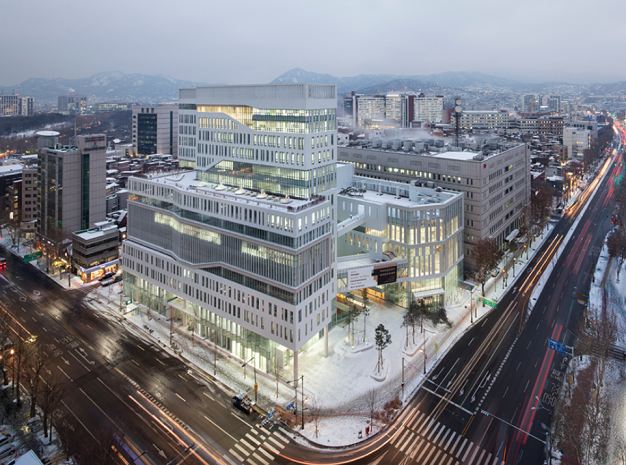
Hongik University

Since its founding in 1946, Hongik University has been nurturing students with creative thinking and practical skills and leading Korea’s development through innovation that connects industry and the arts. Today, facing the pivotal threshold of the AI era, we are leading the way in cultivating the next generation of leaders who will change the world.From our Sangsu campus in Seoul to Sejong, Daehakro, and Hwaseong, each campus offers a unique environment where students can design and shape the future of Korea. Here, diverse fields of study and the arts intersect, continuously generating new ideas and creative energy. The vision of Hongik University as “the university where industry meets art” comes true in this vibrant setting.We are committed to providing the best learning environment, offering a variety of scholarships and support programs to help our students expand into global leaders. Alongside internationally competitive faculty, we deliver creative and innovative education that turns students’ dreams into reality. In particular, to cultivate talent combined with the essential skills of the AI era—such as software and data analysis—we support an interdisciplinary educational environment that breaks down academic boundaries and promotes integrative thinking.Hongik University is dedicated to creating new knowledge and values across all fields and to developing the leaders who will guide the future. Here, at a place where creative passion grows and intellectual exploration knows no limit, you will discover your unique dreams and the boundless potential to bring them into life.Your journey with us is a path towards a new future, and we are truly delighted and honored to be part of this great journey.    

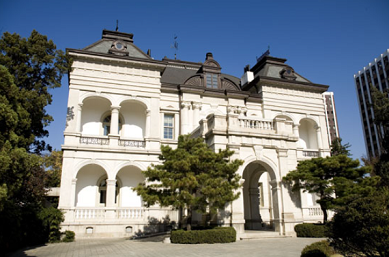
Samyuk University

Sahmyook University, founded on the educational ideals of the Seventh-day Adventist Church, is dedicated to nurturing individuals who possess noble Christian faith along with creative and practical professional knowledge.Through a balanced development of the body, intellect, and spirit, the University aims to cultivate individuals who live happily in this world and contribute to peaceful lives for their neighbors, the global community, and the natural world through the spirit of truth, love, and service, while ultimately enjoying eternal life in the world to come.To fulfill this educational mission, the University provides students with a wide range of curricula, including general education grounded in the Bible and Christian values, as well as diverse fields of specialized study. It pursues an educational philosophy in which theory and practice are harmoniously integrated, delivering the highest level of academic knowledge and the latest developments in each field while guiding students toward mastery of their disciplines.

Duksung Women's University

“Live, but live your own life. Think, but think with your own mind. Realize, but realize through your own awakening.” Built upon this profound philosophy and a 102-year history, our university has nurtured countless talented individuals. Our alumni have gone forward into society, developing their own distinctive competitiveness and pioneering their futures independently.In order to realize our founding spirit of self-sustenance (Ja-saeng), self-reliance (Ja-rip), and self-awareness (Ja-gak), our university has established educational goals that include developing creative abilities, cultivating sound values, and promoting integrative thinking, and has implemented a wide range of educational programs. In particular, in response to rapidly changing environments, we have defined core competencies such as creativity, collaboration, initiative, professionalism, empathy, and civic consciousness, and have innovated our academic systems and teaching methods accordingly.Through the continuous development of sustainable educational programs, the enhancement of administrative efficiency, and the advancement of facilities and equipment, we will strive to ensure that Duksung Women’s University becomes “Duksung, prepared to pursue future values.”

유학후기

나스유학원을 통한 솔직한 유학이야기

  • 어학연수를 통해 '삶의 여유'를배웠어요!

    오전 수업은 리스닝, 스피킹, 라이팅, 문법 다양하게 사이클을 돌면서 진행하고 오후 수업은 스피킹 위주로 진행된다고 들었습니다.
  • 어학연수를 통해 '삶의 여유'를배웠어요!

    오전 수업은 리스닝, 스피킹, 라이팅, 문법 다양하게 사이클을 돌면서 진행하고 오후 수업은 스피킹 위주로 진행된다고 들었습니다.
  • 어학연수를 통해 '삶의 여유'를배웠어요!

    오전 수업은 리스닝, 스피킹, 라이팅, 문법 다양하게 사이클을 돌면서 진행하고 오후 수업은 스피킹 위주로 진행된다고 들었습니다.
  • 어학연수를 통해 '삶의 여유'를배웠어요!

    오전 수업은 리스닝, 스피킹, 라이팅, 문법 다양하게 사이클을 돌면서 진행하고 오후 수업은 스피킹 위주로 진행된다고 들었습니다.

Community

FAQs About NAS Education and the Latest News

Q&AView All +
  • · Q&A Title.2025-04-19
  • · Q&A Title.2025-04-19
  • · Q&A Title.2025-04-19
  • · Q&A Title.2025-04-19
  • · Q&A Title.2025-04-19
NoticeView All +
  • · Notice Title.2025-04-19
  • · Notice Title.2025-04-19
  • · Notice Title.2025-04-19
  • · Notice Title.2025-04-19
  • · Notice Title.2025-04-19