
Vienna

Vienna에 대해 상세히 안내해 드립니다.

Vienna

Here's an introduction to Vienna
los_bg

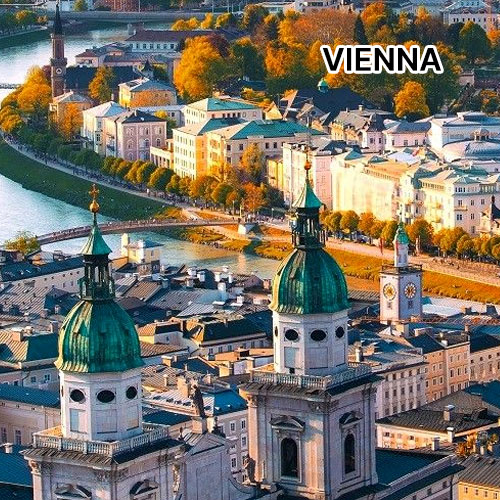
Vienna is the capital of Austria and is located along the Danube River.
It is often called the heart of European music and culture.
Remnants of the Habsburg dynasty can still be found throughout the city center, including the Hofburg Palace and Schönbrunn Palace, where visitors can closely experience imperial history and magnificent architecture.
As the city where Wolfgang Amadeus Mozart, Ludwig van Beethoven, and Johann Strauss II were active, Vienna offers world-class performances at venues such as the Vienna State Opera and numerous renowned concert halls.
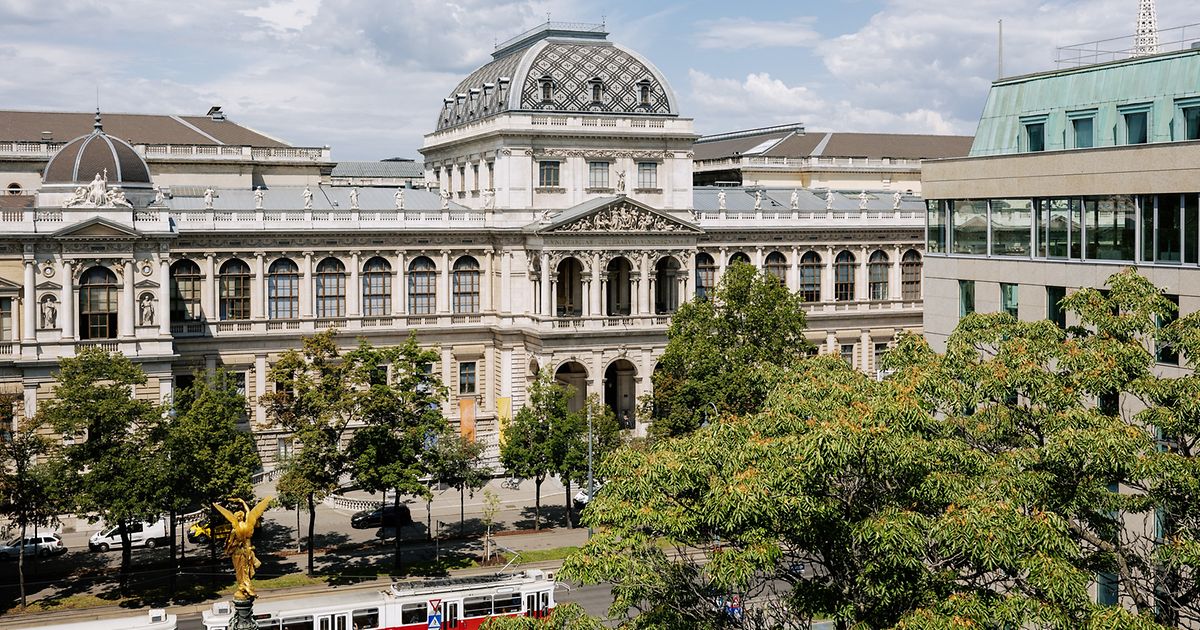
The University of Vienna is one of the oldest universities in Europe and enjoys an international reputation in the humanities, social sciences, and natural sciences.
The University of Music and Performing Arts Vienna (MDW) is one of the world's most prestigious institutions for classical music education, offering exceptional opportunities for international arts students.
The city is clean and safe throughout, and it consistently ranks among the world's most livable cities thanks to its outstanding quality of life.
Vienna's traditional cafe culture also provides international students with unique spaces for study, reflection, and social exchange.
It is especially recommended for students who wish to enjoy history, art, and a stable, high quality of life all at once.
Vienna 추천학교

Vienna 추천학교입니다.

Language Center of the University of Vienna

Historyof the Language Center of the University of ViennaThe Language Center of the University of Vienna looks back on hundred years of tradition and expertise in language instruction. Its offer includes courses of German and approximately 40 European and non-European languages (e.g. Arabic, Japanese and Hindi), preparation courses for standard language examinations, as well as language competency tests.The two entities responsible for foreign and for German language courses have been functioning since 1 January 2004 under the aegis of the Innovation Center of the University of Vienna, Ltd., a subsidiary of the Vienna University. In addition to the Language Center, the latter also includes the Confucius Institute, which specializes in Chinese language courses, the Choir and the Orchestra of the University of Vienna, the Summer School (Sommerhochschule) of the University of Vienna and the University of Vienna’s Children Office. The departments for Foreign Language Courses and for German Courses were merged on 1 January 2014 to create the Language Center.History of the German CoursesThe Vienna International University Courses [Wiener Internationale Hochschulkurse – WIHK, later WIHOK] were inaugurated in 1922 as a series of scientific lectures. German language courses, primarily intended for English speaking students of the University of Vienna, were launched soon after and, before long, became popular with people from all over the world. Arduous circumstances during WW II and in the post-war period (1942–1952) required the suspension of courses. Since their resumption in 1952, the German Courses – which take place both during the academic year and during the summer months – have been attended by thousands of learners.Many participants attend the German Courses in preparation for programs of study at the University of Vienna, or take part in a summer course and decide to spend more time studying in Vienna. Currently, the German Courses at the Language Center number approximately 9,000 students from more than 130 countries every year.History of the Foreign Language CoursesA keen promoter of lifelong learning, then Vice Rector for Teaching and International Affairs Arthur Mettinger founded the Language Center of the University of Vienna in August 2001 specifically for foreign language teaching. Its purpose was – and still is – to offer students, university employees and other interested individuals top level language instruction. The University of Vienna thus opened its doors in the very heart of Vienna, on the university campus, to anyone wishing to learn a language or enhance previously acquired language skills.The initial offer included English, French and Spanish. Nowadays, more than 9,000 people attend courses in approximately 30 languages every year. The Foreign Language Courses were awarded the European Seal for Innovative Language Projects (ESIS) in 2004.

Language Center of the University of Vienna

Historyof the Language Center of the University of ViennaThe Language Center of the University of Vienna looks back on hundred years of tradition and expertise in language instruction. Its offer includes courses of German and approximately 40 European and non-European languages (e.g. Arabic, Japanese and Hindi), preparation courses for standard language examinations, as well as language competency tests.The two entities responsible for foreign and for German language courses have been functioning since 1 January 2004 under the aegis of the Innovation Center of the University of Vienna, Ltd., a subsidiary of the Vienna University. In addition to the Language Center, the latter also includes the Confucius Institute, which specializes in Chinese language courses, the Choir and the Orchestra of the University of Vienna, the Summer School (Sommerhochschule) of the University of Vienna and the University of Vienna’s Children Office. The departments for Foreign Language Courses and for German Courses were merged on 1 January 2014 to create the Language Center.History of the German CoursesThe Vienna International University Courses [Wiener Internationale Hochschulkurse – WIHK, later WIHOK] were inaugurated in 1922 as a series of scientific lectures. German language courses, primarily intended for English speaking students of the University of Vienna, were launched soon after and, before long, became popular with people from all over the world. Arduous circumstances during WW II and in the post-war period (1942–1952) required the suspension of courses. Since their resumption in 1952, the German Courses – which take place both during the academic year and during the summer months – have been attended by thousands of learners.Many participants attend the German Courses in preparation for programs of study at the University of Vienna, or take part in a summer course and decide to spend more time studying in Vienna. Currently, the German Courses at the Language Center number approximately 9,000 students from more than 130 countries every year.History of the Foreign Language CoursesA keen promoter of lifelong learning, then Vice Rector for Teaching and International Affairs Arthur Mettinger founded the Language Center of the University of Vienna in August 2001 specifically for foreign language teaching. Its purpose was – and still is – to offer students, university employees and other interested individuals top level language instruction. The University of Vienna thus opened its doors in the very heart of Vienna, on the university campus, to anyone wishing to learn a language or enhance previously acquired language skills.The initial offer included English, French and Spanish. Nowadays, more than 9,000 people attend courses in approximately 30 languages every year. The Foreign Language Courses were awarded the European Seal for Innovative Language Projects (ESIS) in 2004.

Language Center of the University of Vienna

Historyof the Language Center of the University of ViennaThe Language Center of the University of Vienna looks back on hundred years of tradition and expertise in language instruction. Its offer includes courses of German and approximately 40 European and non-European languages (e.g. Arabic, Japanese and Hindi), preparation courses for standard language examinations, as well as language competency tests.The two entities responsible for foreign and for German language courses have been functioning since 1 January 2004 under the aegis of the Innovation Center of the University of Vienna, Ltd., a subsidiary of the Vienna University. In addition to the Language Center, the latter also includes the Confucius Institute, which specializes in Chinese language courses, the Choir and the Orchestra of the University of Vienna, the Summer School (Sommerhochschule) of the University of Vienna and the University of Vienna’s Children Office. The departments for Foreign Language Courses and for German Courses were merged on 1 January 2014 to create the Language Center.History of the German CoursesThe Vienna International University Courses [Wiener Internationale Hochschulkurse – WIHK, later WIHOK] were inaugurated in 1922 as a series of scientific lectures. German language courses, primarily intended for English speaking students of the University of Vienna, were launched soon after and, before long, became popular with people from all over the world. Arduous circumstances during WW II and in the post-war period (1942–1952) required the suspension of courses. Since their resumption in 1952, the German Courses – which take place both during the academic year and during the summer months – have been attended by thousands of learners.Many participants attend the German Courses in preparation for programs of study at the University of Vienna, or take part in a summer course and decide to spend more time studying in Vienna. Currently, the German Courses at the Language Center number approximately 9,000 students from more than 130 countries every year.History of the Foreign Language CoursesA keen promoter of lifelong learning, then Vice Rector for Teaching and International Affairs Arthur Mettinger founded the Language Center of the University of Vienna in August 2001 specifically for foreign language teaching. Its purpose was – and still is – to offer students, university employees and other interested individuals top level language instruction. The University of Vienna thus opened its doors in the very heart of Vienna, on the university campus, to anyone wishing to learn a language or enhance previously acquired language skills.The initial offer included English, French and Spanish. Nowadays, more than 9,000 people attend courses in approximately 30 languages every year. The Foreign Language Courses were awarded the European Seal for Innovative Language Projects (ESIS) in 2004.

There is no registered school information.

X