 USA
USA Canada
 Maxico
 Australia
 New Zealand
 Fiji
Fiji United Kingdom
 Ireland
 Malta
Malta France
 Italia
 Swiss
Swiss Germany
 Spain
Spain Austria
 Poland
 Korea
Korea China
China Japan
Japan Singapore
 Vietnam
 Philippines
 India
India Uzbekistan
 Malaysia
 Mongolia
 Republic of South Africa
 Ghana
Ghana Kenya
Kenya Nigeria
 Argentina
 Jamaica
 Brazil
 Chile
Chile Search
Language Courses
We will provide detailed information about our Language Courses.Promoted Program
Below are the recommended Language Courses schools in major Korea's cities.
-
Total care language course package

-
Language Program for Ages 30 and above

-
Business English Language Course

-
Limited Time Special Language Course

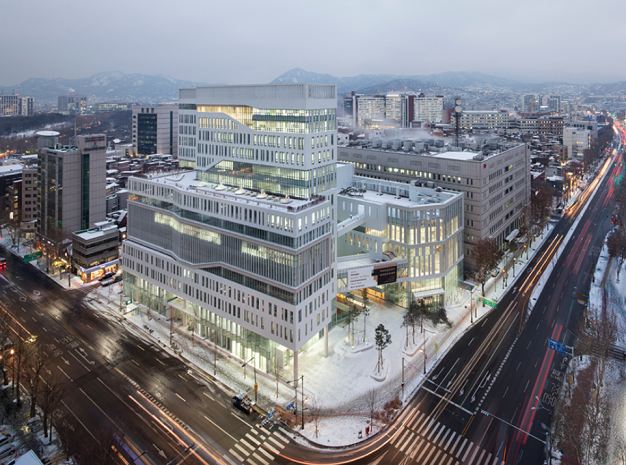
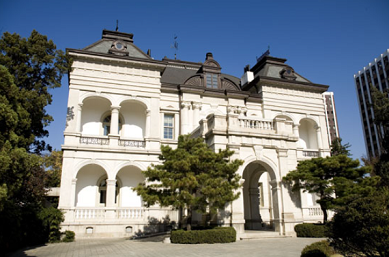
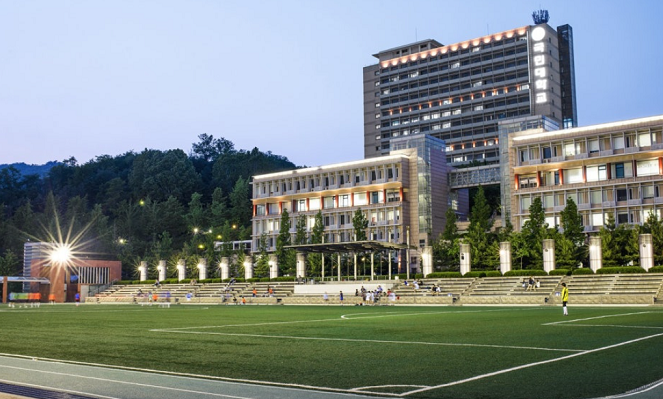
Study English Guide: Korea
Detailed guidance on studying in Korean in Korea.


◈ Advantages of Studying Korean in Korea
1. 📺 Language Learning Connected to Korean Wave Content
Many international students begin learning Korean to enjoy K-pop, K-dramas, and K-beauty content without subtitles.
Popular content such as BTS, BLACKPINK, The Glory, and Extraordinary Attorney Woo naturally sparks interest in the language.
Some language programs even include fun activities like analyzing K-pop lyrics and practicing drama dialogues.
2. 🗣️ Full Immersion in a Korean-Speaking Environment
Since English is not widely used in daily life in Korea, students are naturally placed in an immersive Korean-only environment.
Everyday activities like ordering at cafes, taking the subway, asking for directions, and making friends become real-life practice opportunities.
Applying what you learn in class to real situations helps you improve quickly in a short period of time.
3. 🏫 Professional Language Education Institutions
Major Korean universities such as Seoul National University, Yonsei University, Korea University, Sogang University, and Kyung Hee University offer high-quality language programs.
These programs focus on balanced development in speaking, listening, reading, and writing, with detailed level-based class systems.
Many institutes also offer TOPIK preparation and university pathway programs for students planning long-term study in Korea.
4. 🛡️ High Safety and Convenience
Korea is widely recognized as one of the safest countries in the world, allowing even solo and female students to feel secure.
Public transportation systems such as subways, buses, and taxis are well-developed and user-friendly, with English support available.
Some areas also provide 24-hour foreigner support centers and interpretation services.
5. 💰 Cost-Effective Study Destination
Compared to countries like the United States, the United Kingdom, and Japan, Korea offers relatively affordable tuition and living costs.
Outside of Seoul (e.g., Daegu, Busan), monthly living expenses can range from approximately ₩600,000 to ₩800,000.
Various accommodation options such as dormitories, homestays, and shared housing allow flexible budgeting.
6. 🧳 Cultural Experiences and Exchange Opportunities
Students can enjoy a wide range of activities, from traditional experiences like wearing hanbok, making kimchi, and staying in hanok houses, to modern experiences like concerts and cafe tours.
Most language schools organize monthly cultural trips, city tours, picnics, and traditional activities.
You can also interact with students from different countries and communicate in various languages, gaining global experience.
7. 🎓 Gateway to Studying or Working in Korea
Many students continue their education at Korean universities or graduate schools after completing language programs.
Some also participate in internships, leading to job opportunities at Korean companies.
Recently, the Korean government and companies have been improving scholarship programs and visa systems to attract international students.
◈ Estimated Monthly Costs by City in Korea
| City | Tuition (USD) | Accommodation (USD) | Total Monthly Cost (USD) | Features |
|---|---|---|---|---|
| Seoul | $1,055 ~ $1,130 | $420 ~ $565 | $2,100 ~ $2,900 | Metropolitan lifestyle, diverse culture, center of K-pop |
| Incheon | $985 ~ $1,055 | $320 ~ $460 | $1,900 ~ $2,600 | Close to Seoul, excellent airport access, multicultural environment |
| Daejeon | $915 ~ $985 | $245 ~ $350 | $1,750 ~ $2,200 | Quiet study environment, affordable living costs |
| Busan | $985 ~ $1,055 | $295 ~ $420 | $1,850 ~ $2,500 | Coastal city, foreigner-friendly atmosphere |
| Daegu | $915 ~ $985 | $245 ~ $350 | $1,750 ~ $2,200 | Lower living costs, warm and welcoming atmosphere |
| Ulsan | $845 ~ $915 | $210 ~ $320 | $1,650 ~ $2,100 | Quiet and cost-effective study destination |
| Gwangju | $915 ~ $985 | $245 ~ $350 | $1,750 ~ $2,200 | Strong in arts and culture, suitable for studying |
| Jeju | $845 ~ $915 | $295 ~ $420 | $1,750 ~ $2,300 | Nature-oriented lifestyle, relaxed environment |
◈ Notes
ᄋ Tuition: At university-affiliated language institutes, tuition typically ranges from KRW 1,000,000 to 1,600,000 per month.
Prestigious universities or small, intensive classes may cost more.
ᄋ Accommodation: Dormitories usually cost around KRW 400,000 to 700,000 per month for a shared (double) room.
Homestays including meals generally range from KRW 700,000 to 900,000 per month.
ᄋ Living Expenses: In major cities, transportation and food costs tend to be higher, but expenses can be reduced by using subways and buses.
ᄋ Tourist Areas: In regions like Jeju and Busan, accommodation prices may vary significantly depending on the season.
◈ Characteristics of Major Cities in Korea
| City | City Characteristics | Key Advantages for International Students | Things to Do & Cultural Experiences |
|---|---|---|---|
| Seoul | Capital of Korea, center of politics, economy, and culture, city of fast trends and advanced technology. | Dense concentration of language schools and universities, top-tier transportation and convenience, easy to build global networks. | Gyeongbokgung Palace, Myeong-dong, Hongdae, Gangnam, Hangang Park, N Seoul Tower, K-POP performances. |
| Incheon | Gateway city with an international airport and harbor, combines accessibility to Seoul with the charm of a coastal city. | Convenient travel due to proximity to the airport, lower cost of living than Seoul, foreigner-friendly environment. | Songdo Central Park, Chinatown, Wolmido, Eulwangni Beach. |
| Daejeon | Hub of science and technology in Korea, a central region city with a quiet and stable atmosphere. | Excellent environment for focusing on studies, stable prices, home to prestigious universities like KAIST and Chungnam National University. | Yusong Hot Springs, Expo Science Park, Hanbat Arboretum, Sungsimdang Bakery Street. |
| Busan | Korea’s second-largest city and representative maritime city, vibrant port culture and mild climate. | Possible to live near the beach, warm weather, experience Korean life in a social and lively atmosphere. | Haeundae, Gwangalli, Jagalchi Market, Gamcheon Culture Village, Busan International Film Festival. |
| Daegu | Inland industrial city and hub of fashion/textiles, a city where tradition and modernity coexist. | Low cost of living, friendly local atmosphere, quiet academic environment. | Dongseong-ro, Kim Kwang-seok Street, Palgongsan Mountain, Seomun Market, Herbal Medicine Culture Festival. |
| Gwangju | City of art and democracy, a southern hub with active cultural and creative activities. | Advantageous for students majoring in art and design, peaceful city atmosphere. | Asia Culture Center (ACC), May 18th Democracy Square, Chungjang-ro, Mudeungsan Mountain. |
| Jeju | Korea’s representative tourist destination, possesses blessed natural environments and a unique local culture. | Ability to study in a quiet environment, low daily stress, suitable for "healing" focused study abroad. | Hallasan Mountain, Seongsan Ilchulbong (Sunrise Peak), Hyeopjae Beach, Olle Trails, Stone Park. |
◈ Introduction to Major Korean Language Institutes and University-Affiliated Programs in Korea
| Institution Name | Primary Location | Characteristics & Strengths |
|---|---|---|
| SNU Language Education Institute (Seoul National University) | Gwanak-gu, Seoul | Top-tier Korean language education at a national university; academic curriculum; offers TOPIK preparation classes. |
| Yonsei KLI (Yonsei University Korean Language Institute) | Sinchon, Seoul | Long-standing tradition and reputation in Korean language education, global student network, systematic level-based classes. |
| Korea University KLC (Korea University Korean Language Center) | Anam, Seoul | Operates university admission bridge programs, conducts various cultural experience classes alongside language study. |
| Ewha Language Center (Ewha Womans University) | Seodaemun-gu, Seoul | Popular among female international students; emphasizes conversation-focused classes and daily life Korean courses. |
| Hanyang International Language Institute (Hanyang University) | Seongdong-gu, Seoul | Industry-academic linked programs, offers practical Korean and Business Korean courses. |
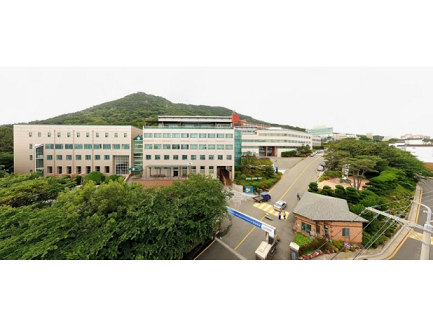
| Pusan National University ILEC (International Language Education Center) | Geumjeong-gu, Busan | Stable learning environment within a maritime city atmosphere, offers both university prep and short-term programs. |
| Chonnam National University ILEC (International Language Education Center) | Buk-gu, Gwangju | Low cost of living, quiet academic city, step-by-step education from beginner to advanced levels. |
| Sejong Language Institute | Major cities nationwide & 80+ countries overseas | Government-certified institution, focuses on cultural experiences for overseas residents and short-term international students. |
◈ Introduction to Visa Types in Korea
| Visa Type | Description | Target Audience | Official Guide Link |
|---|---|---|---|
| D-2 (Student Visa) | Issued to those enrolled in formal degree programs at regular colleges, graduate schools, or junior colleges. | Bachelor's, Master's, PhD students, and exchange students (credit exchange). | HiKorea Student Visa Guide |
| D-4 (General Trainee Visa) | For those participating in non-degree educational programs such as Korean language training or vocational training. | Language school students, vocational school trainees. | Immigration/Foreigner Visa Portal |
| H-1 (Working Holiday) | Allows young people from treaty countries to travel and engage in short-term employment simultaneously. | Individuals aged 18–30 from Working Holiday treaty countries. | Working Holiday Info Center |
| C-3 (Short-term Visit Visa) | For short-term stays within 90 days (tourism, visiting relatives, short-term language study, etc.). | Short-term language trainees, cultural experience participants, tourists. | Visa Portal C-3 Guide |
| F-6 (Marriage Migrant Visa) | A long-term residency visa for those staying in Korea through marriage with a Korean spouse. | Marriage migrants, family residents. | HiKorea Residency Visa Guide |
| K-ETA (Electronic Travel Authorization) | An electronic travel authorization system for short-term visitors (within 90 days) from visa-free countries after prior approval. | Citizens of visa-exempt treaty countries. | K-ETA Official Site |
◈ Basic Visa Application Process for International Students
1. Issuance of Admission Letter or Training Confirmation
Receive an official admission letter from a university or language institute in Korea.
2. Prepare Required Visa Documents
Prepare necessary documents such as passport, passport-sized photos, admission letter, financial proof (bank statement), final academic certificate, and application fee.
3. Apply for a Visa at a Korean Embassy or Consulate
Submit your application at the Korean embassy or consulate in your home country, or apply through the online e-visa system if available.
4. Visa Review and Issuance
Processing usually takes about 7 to 14 days.
Once approved, a visa sticker is issued in your passport or an electronic visa (E-Visa) is granted.
5. Apply for an Alien Registration Card (ARC) After Arrival
Within 90 days of entering Korea, you must apply for an alien registration card at the nearest immigration office.
HiKorea Alien Registration Guide
◈ Additional Notes
- Before applying for a visa, you must accurately prepare the invitation letter from the school and financial documents.
- The D-4 (Korean language training) visa is usually issued for 6 months to 1 year at a time, and it can be extended if you maintain regular attendance and satisfactory performance.
- After entering Korea, any changes such as address updates, school changes, or extension of stay must be reported to the Immigration Office.
- The K-ETA is only applicable for tourism or short-term stays of up to 90 days. For long-term study, you must obtain a D-2 or D-4 visa.
- All official visa information and the latest updates can be found on the HiKorea or Visa Portal.



NAS Study Abroad CEO : Hyojeong Gu
Business Registration Number : 679-60-0774
Address : 4F, 2109-34 Dalgubeol-daero, Jung-gu, Daegu 41943, Republic of Korea
COPYRIGHT 2025 NAS Study Abroad. ALL RIGHTS RESERVED.
Personal Information Protection Officer : Hyungwoo Lee (nasnurse@naver.com)
※ All content provided by NAS Nurse Academy is protected under copyright law, and unauthorized reproduction or distribution may result in legal penalties.